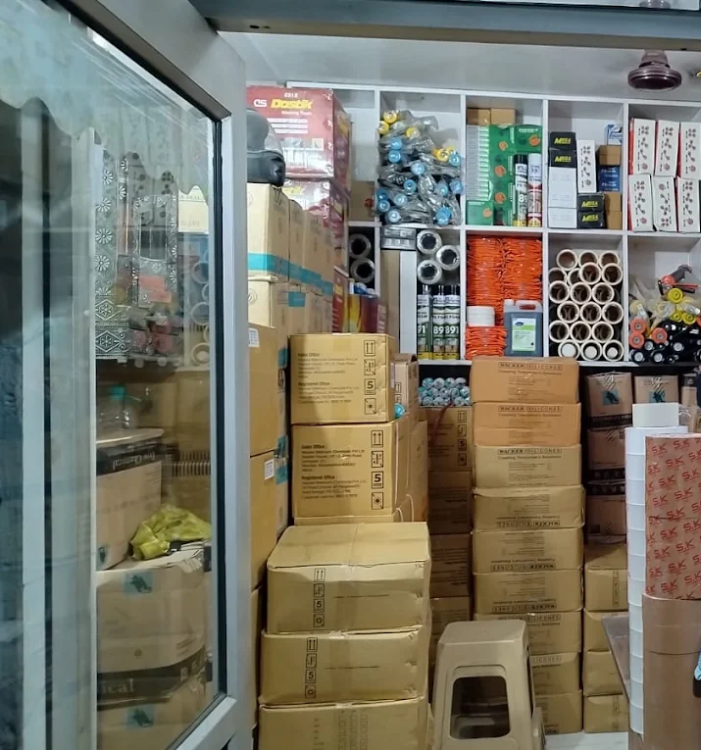
NGPM Enterprises provides professional PU Foam Application Services for residential, commercial, and construction projects. Polyurethane (PU) foam is commonly used to fill unwanted gaps, cavities, and openings around different building components. When applied correctly, it expands to cover available spaces and helps reduce air movement, dust entry, and heat transfer through suitable openings. Our team carries out the application according to the site condition and the type of work required.
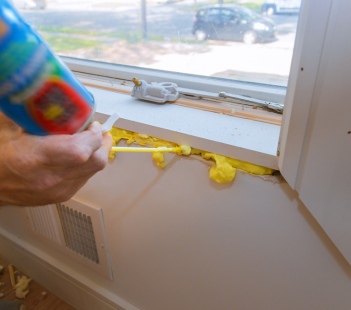
Small openings around doors, windows, wall joints, and pipe connections can affect the finish of a building. These spaces may also allow outside air and dust to enter. PU foam offers a practical solution for filling such gaps where the material is suitable. Our PU Foam Application Services are designed to address these requirements with attention to proper coverage and a neat finish.
Before starting the work, the application area is checked to identify the size of the opening and the surrounding surface. The foam is then applied in a controlled manner, allowing it to expand into the required space. Proper application helps avoid unnecessary material use and supports a better finishing process.
PU foam is widely used around window frames, door frames, service openings, and selected wall cavities. It can help fill irregular spaces that are difficult to cover with conventional materials. Depending on the product and application conditions, the foam can also contribute to thermal insulation by limiting air leakage through gaps.
NGPM Enterprises provides a PU Foam Application Service for locations where open spaces need to be filled as part of installation, repair, or maintenance work. Our PU Foam Filling Services are suitable for selected gaps where expanding foam is an appropriate solution. The correct product and application method depend on the surface, gap size, and intended use. Exposed foam may require trimming and suitable protection after curing, depending on the site requirements.
Correct application is important for achieving the intended results. Applying too much foam or using an unsuitable product may affect the finish or surrounding components. Our team considers the opening size, access to the area, and application requirements before proceeding with the work.
PU Foam Installation Services can be useful during new construction, door and window installation, renovation, and building maintenance. The service is suitable for selected gaps where expanding foam is an appropriate solution. It is not intended to replace structural repairs or specialised waterproofing systems where those solutions are necessary.
NGPM Enterprises works to provide practical foam application solutions for homes, offices, shops, and commercial properties. We focus on the site requirement, careful application, and proper finishing. Our PU Foam Application Services can support new installations as well as repair and maintenance projects where gaps need attention.
Whether the requirement involves a small opening or several gaps across a project, our team aims to complete the work according to the application area and customer needs. Contact NGPM Enterprises to discuss your PU foam requirements and identify a suitable solution for your property.
These services are used to fill suitable gaps, cavities, and openings around doors, windows, wall penetrations, frames, and other building components.
Yes, suitable PU foam products can be used to fill gaps around door and window frames. The product should be selected according to the installation and manufacturer's instructions.
Yes, PU foam can help reduce air leakage and provide thermal insulation in suitable applications. The level of insulation depends on the product, installation quality, and surrounding construction.
The curing time varies according to the product, temperature, humidity, and depth of application. Always follow the manufacturer's instructions before trimming, covering, or handling the foam.
No. PU foam is suitable for many filling applications, but it is not appropriate for every joint or opening. The surface, movement, moisture exposure, and purpose of the gap should be assessed before selecting a material.